How to Plan a Sunflower Field Visit Around Sunset
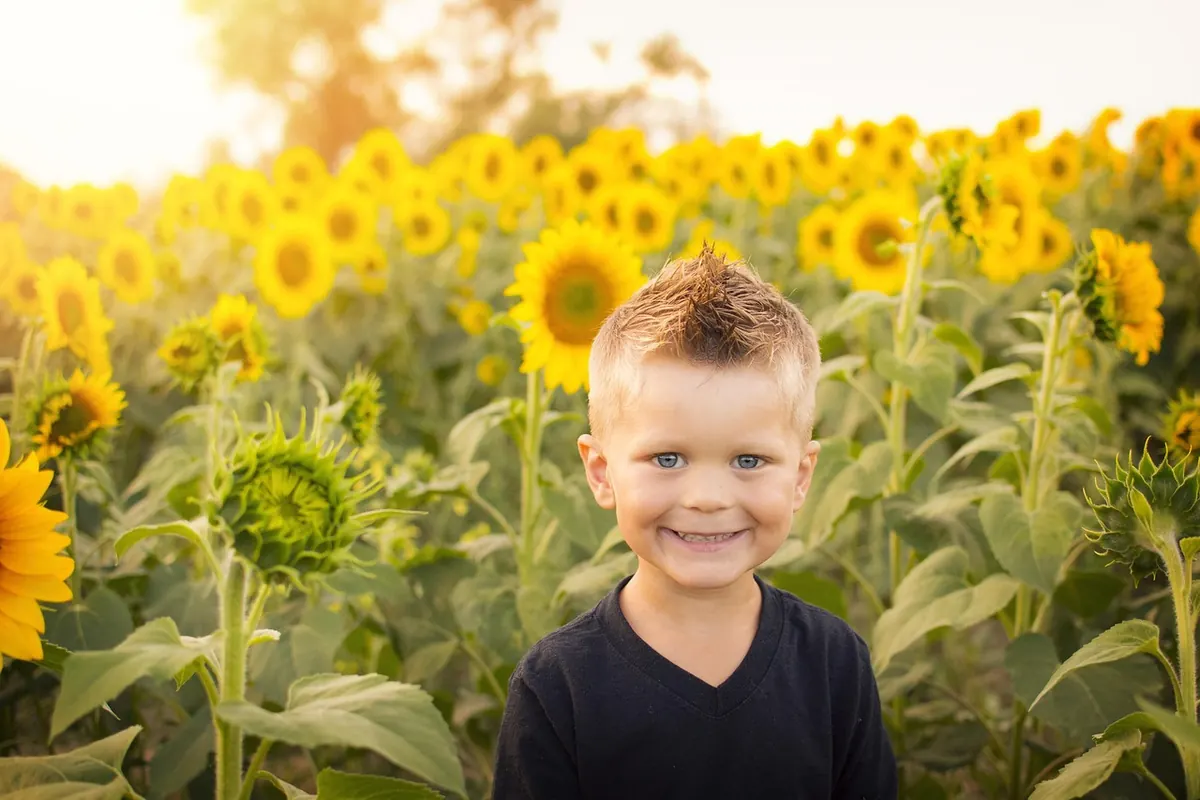
A sunflower field at sunset is one of the simplest good ideas in the natural world, and one of the easiest to get wrong. Arrive at the wrong hour and you get flat light, a field of green backs and a queue of cars at the gate. Arrive prepared, and the same field turns into something you will remember for years: heads outlined in gold, bees settling, the air cooling all at once. The difference between the two visits is almost entirely planning — bloom, direction, timing, and where you stand. None of it is complicated, and all of it is worth doing before you get in the car.
Sunflowers do not run on a national schedule. A field two valleys over can be at its peak while the one you saw online last week is already nodding and brown. Flowering depends on the variety, the planting date, the altitude and how much water the field has had. Many growers sow in staggered blocks precisely so the season lasts longer, which means neighbouring fields can be a fortnight apart.
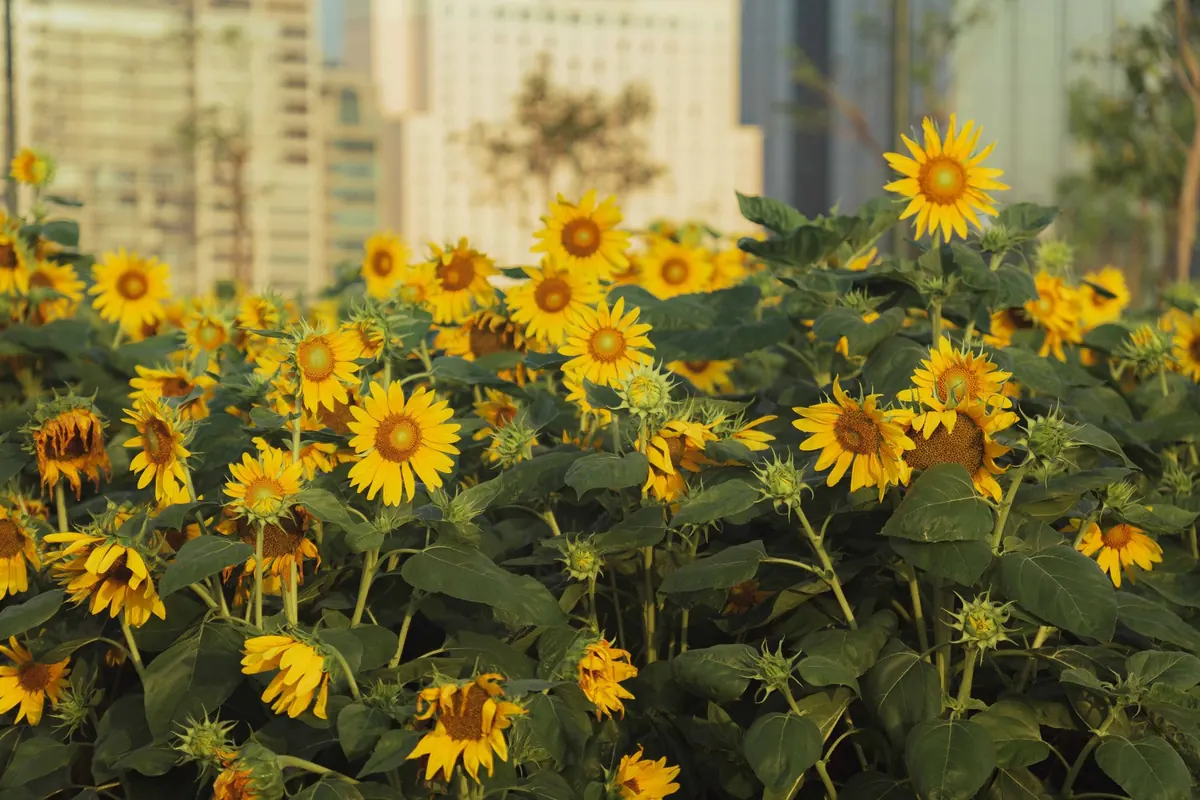
So check the field itself, not just the month. Local growers' pages, farm shops and regional nature groups usually post updates when a crop opens. If you can, drive past a few days beforehand. From the roadside you can see exactly what stage the crop is at: tight green buds, the first yellow cracking through as petals push out, fully open heads, or the heavy droop as seeds fill.
The sweet spot is a field where most heads are open with firm, bright petals and only a few still closed. Once petals shrivel and heads hang low and dark, the show is over.
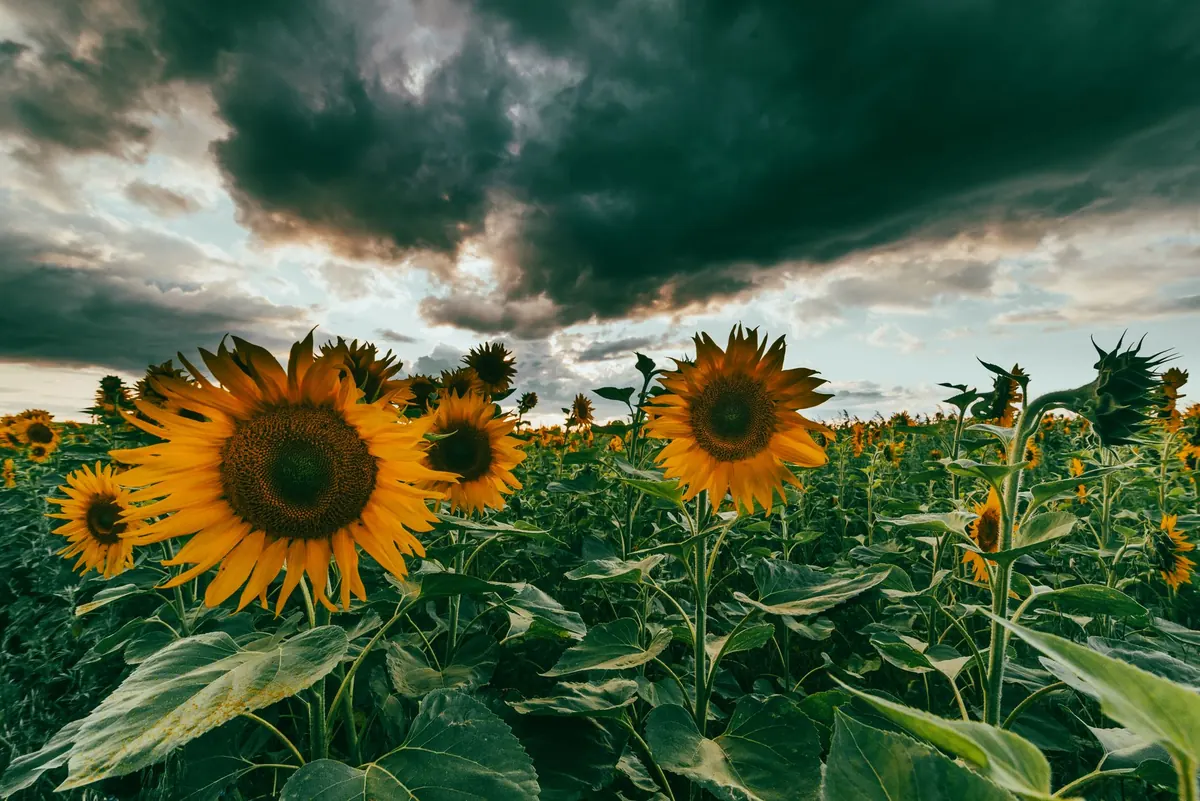
One detail worth knowing before you plan a sunset trip: young sunflowers do track the sun across the sky, but once a head matures and opens, most plants settle facing east. That is not a problem, it is just geometry. A sunset visit usually gives you backlit heads — glowing rims, deep silhouettes — rather than sunlit yellow faces. If you have your heart set on discs lit from the front, plan for sunrise instead.
Sunset is not in the same place every evening. Through the year it drifts north or south along the horizon, and the shift between early summer and late summer is wide enough to change which row you should be standing in. A sun-position app, a compass, or a printed sun chart for your latitude will give you the exact bearing for your date. Ten minutes of homework saves an entire wasted evening.
Scout in the afternoon if you can. Walk the field margin with the sun still high and pick out two or three spots that will work when it drops. Look for gaps: a break in the treeline, a farm track heading west, a low bank you can stand on. Photograph the spot with your phone and note a landmark. Fields all look alike in low light, and the tree you remembered will be one of forty.
The time in a weather app is the moment the sun's upper edge slips below a theoretical flat horizon. Your field has hedges, hills and a gate you have to find. Treat sunset as the middle of the visit, not the start of it.
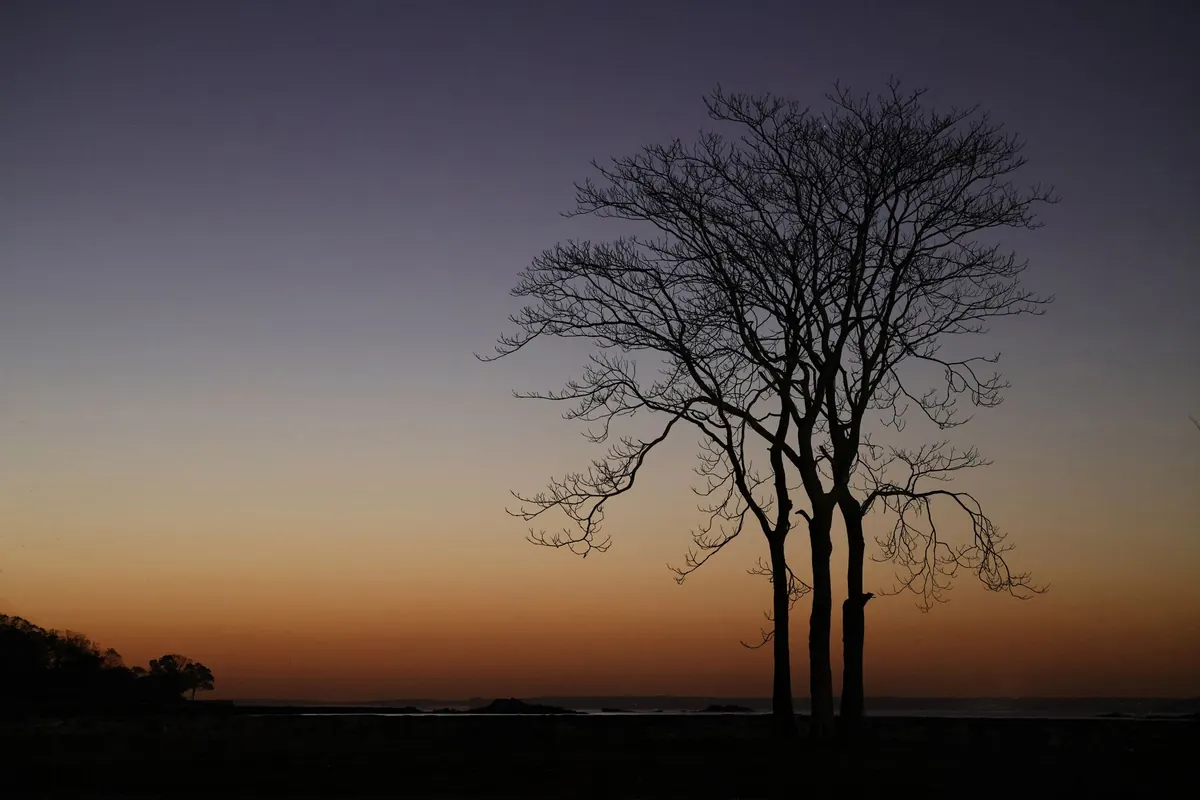
Two things catch people out. A ridge or belt of trees on the western horizon can cut the light ten or twenty minutes earlier than the forecast suggests, so build in margin. And the best colour often arrives once the sun is gone; the sky keeps glowing for half an hour or more. Leave when the disc disappears and you miss the part most photographs are actually made of.
A sunflower field is a grid, and grids do something useful in low sun: they converge. Position yourself at the end of a row and look down it, and the repeating stems lead the eye straight to the horizon. Stand across the rows and you get a flat green wall. A few steps sideways can change everything.
You do not need to be deep inside the crop. The first two or three rows along a track or field margin often give the best view, because you get depth without trampling anything. If a rise, a bridge or a low bank lets you look slightly down into the field, take it — you will see the tops of the heads rather than their undersides.
Whatever you choose, stay on paths and headlands. Sunflowers are a crop. A shortcut through the middle compacts soil, snaps stems and costs the grower money. If there is no public access, ask. A polite request at the farmhouse or a message to the grower's page usually gets a friendly answer, and often points you to a better corner of the field than the one you had picked.
Clear skies are overrated. A few high, thin clouds catch the low light and turn pink and orange, while a perfectly blue evening simply fades to grey. Broken cloud is the best forecast there is: enough texture for colour, enough gaps for the sun to break through.
Wind matters more than most people expect. Sunflower heads are heavy and swing in a steady breeze, so if the forecast is gusty, plan on waiting between gusts rather than firing away. Warm ground also produces heat shimmer that softens distant detail, so work closer than you would at midday. In summer, check the radar before leaving: storms build fast, and an open field is not the place to be in one. Watch the sky and be ready to walk back early.
Finally, think about the walk out. Paths that were obvious at seven in the evening are invisible at nine, and the temperature drops quickly once the sun is down. A small torch in your pocket and a jacket you can pull on will make the last twenty minutes far more pleasant than a phone light and a scramble over a stile.
Pick your evening, then work backwards from the sunset time.
Pack light but sensibly: water, a layer for after sunset, insect repellent, a torch, and shoes you do not mind getting dusty. A cloth for cleaning the lens is worth its weight once pollen and dust start drifting. If you have walked through tall grass, check yourself for ticks afterwards and deal with any you find promptly, following local health guidance.
Then put the phone down for a minute. The bees quieten, the heads catch the last of the light, and the field does the thing you came for. That part needs no planning at all — just enough time to stand still and watch it happen.
Photo: jvalley678 / Pixabay
Previous Post
Sunflower Varieties for Cut Flowers: A Comparison for Home Growers
Next Post
A Beginner's Guide to Sunset Direction, Timing, and Viewing Angles